What is the first sign that a routine Botox session is drifting toward trouble? Subtle asymmetry that wasn’t present five minutes earlier. The practical answer is that complications often whisper before they shout, and disciplined recognition in the chair makes the difference between a small course correction and a stressful day for both patient and provider. This protocol collects real-world tactics to spot problems early, act decisively, and document professionally, with options for escalation and aftercare that keep outcomes safe and trust intact.
Why a complication protocol isn’t optional
Neurotoxin is safe when delivered by trained hands, yet even the best injector sees edge cases: unexpected diffusion, a small vessel nick, a vasovagal episode, or lid heaviness in a naturally low brow. Most issues resolve, but the path is smoother when you know precisely what to do in the next ten minutes, the next 24 hours, and the next two weeks. A well-rehearsed plan protects the patient, supports the team, and lowers medicolegal risk. It also frees you to focus on artistry because you aren’t improvising under pressure.
This guide assumes you are licensed, operating within your scope of practice, and trained in injection anatomy. For those building skills, a structured pathway helps: a Botox certification course with hands on training, anatomy refreshers, supervised repetitions, and simulated scenarios. Practice kits and a Botox injection simulator teach sequence and hand position, but nothing substitutes for live mentorship under an experienced clinician.
The minute-by-minute mindset in the chair
An uneventful appointment begins with pre screening and ends with specific post care instructions. The middle is where vigilance lives. I narrate during injection, not to fill silence but to keep my own checklist running: needle depth, direction, dose, and patient response. I watch for blanching, sudden pain, or tears that don’t match the poke. The room is well lit, with neutral, even lighting that aids asymmetry checks. A photography guide isn’t just a marketing tool, it is a clinical baseline. Standardized angles, relaxed versus animated expressions, and accurate notes on dose and sites become your best reference if something looks “off” a week later.
Charting matters. Clear treatment notes with a face map, dilutions, total units, lot and expiration, and any deviations from plan, turn ambiguity into data. If I alter a brow tail approach because of preexisting ptosis, it goes in the chart. If we discussed realistic outcomes and rare risks during informed consent, the signed Botox consent form and patient education sheet get scanned the same day. Good record keeping isn’t a chore, it is part of patient safety.
Recognize the red flags early
Most common Botox side effects are mild and transient: pinpoint bruising, dull headache, or a heavy feeling as muscles relax. Complications worth immediate attention tend to follow a recognizable pattern. The most important thing is to look for patterns.
- Immediate lightheadedness, pallor, sweating, or nausea points to a vasovagal episode, not a toxin reaction. The fix is positional and supportive. Sudden swelling, hives, or wheeze after skin prep or needle contact suggests an allergy, often to prep solutions, latex, or adhesive, rather than onabotulinumtoxinA itself. True toxin allergy is rare, but airway signs take priority. Hours to days later, unexpected muscle effects near functional structures signal diffusion beyond intent. Classic examples include upper eyelid ptosis after glabellar treatment, brow ptosis after frontalis dosing too inferiorly, diplopia from lateral injections near the orbit, or smile asymmetry after DAO dosing that hit the DLI. Two to three months on, decreasing duration despite correct technique may suggest neutralizing antibodies, especially if the patient reports prior frequent high-dose treatments. It is uncommon, but it happens.
The immediate response protocol, step by step
A complication protocol is most useful when it reads like a cockpit checklist. The first list below is the only rapid checklist you need within reach of your injection chair.
- Pause and assess. Stop injecting. Visually scan, ask the patient to breathe slowly, and describe what they feel. Check vitals if there is systemic concern. Rule in or out urgency. Airway or anaphylaxis signs demand emergency response. Vasovagal symptoms require supine positioning, legs elevated, cool compress, and observation until stable. Localize the issue. Was the change immediate at a specific site, or did it develop later? Identify structures at risk: levator palpebrae, frontalis, zygomaticus, orbicularis oculi. Document and photograph. Capture standardized images of the effect at rest and in motion. Note timing and any contributing factors. Communicate the plan. Explain what happened in plain language, outline expected course and follow-up timing, and provide written instructions.
That last step is not soft. It anchors trust. Patients tolerate bad luck; they do not tolerate confusion.
Condition-specific recognition and management
Eyelid ptosis after glabellar dosing usually appears within 3 to 7 days. The patient notices a droopy upper lid, sometimes with forehead strain as the frontalis works to compensate. The mechanism is diffusion to the levator palpebrae superioris. While it looks dramatic, vision is typically Greensboro NC botox intact. I confirm by measuring marginal reflex distance and comparing to baseline photos. Management focuses on symptomatic relief while the effect fades over two to eight weeks. Apraclonidine 0.5 percent or oxymetazoline ophthalmic solution can stimulate Müller’s muscle for a modest lift of 1 to 2 mm. I prescribe drops, teach careful use, and schedule weekly checks for the first two weeks, then biweekly until resolution. I do not “chase” with more toxin near the brow. Patients appreciate clear timelines and a phone number that reaches a human.
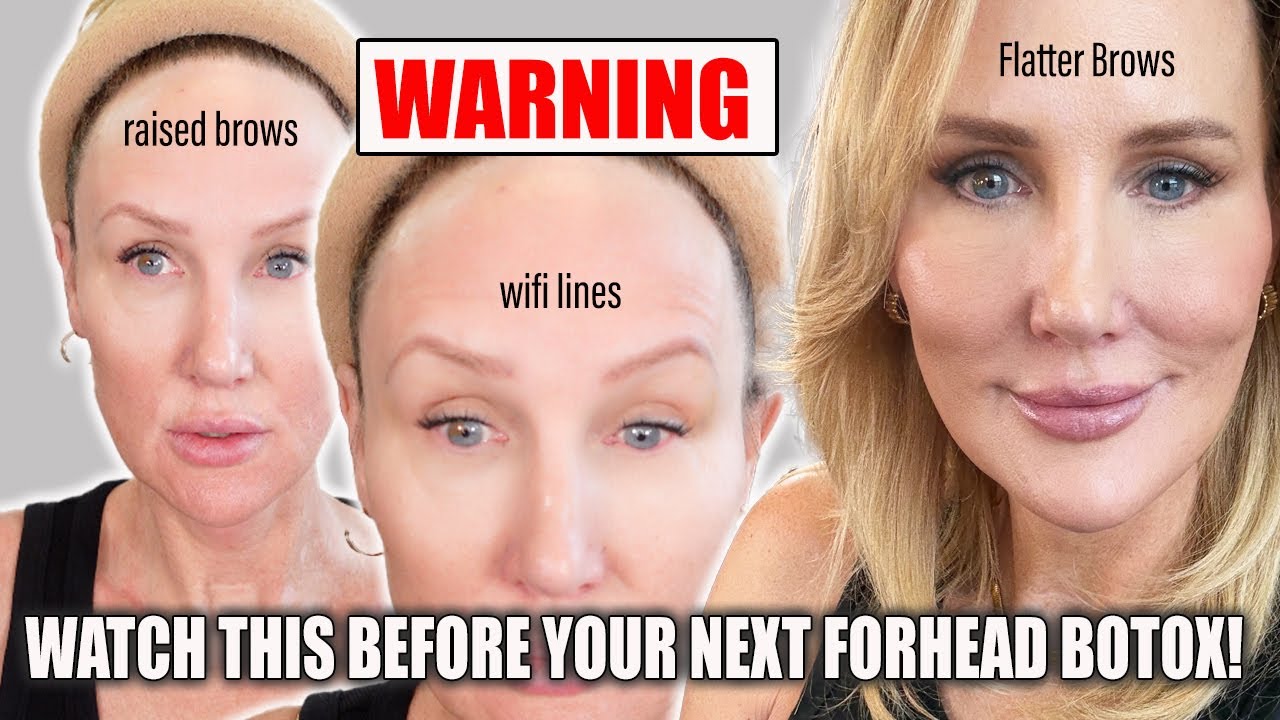
Brow ptosis after forehead treatment tends to show earlier, often by day three, with flattening of arch and heaviness. I review the map. Was the frontalis injected too low, especially in a patient with a low-set brow or preexisting dermatochalasis? Rescue options are limited because additional toxin can worsen lift. Light neuromodulation at the lateral orbicularis oculi, weeks later, may balance the look in select cases. The real prevention is respecting the topography and keeping a two-fingerbreadth buffer from the brow in those with low foreheads. Future sessions shift dose superiorly and reduce units at the inferior frontalis.
Smile asymmetry or lip incompetence after lower-face work is often traceable to a depot placed too medially into the depressor labii inferioris when targeting the DAO. The patient may complain of biting their lip or drooling water on one side. I mark and measure, then counsel. Recovery usually occurs within 4 to 8 weeks. I avoid layering more toxin nearby. In specific cases, a small, carefully placed dose to the contralateral DAO can balance motion, but this requires advanced judgment and consent for trade-offs. Soft tissue support with hyaluronic acid is not a reversal for neurotoxin; it belongs to filler management. Hyaluronidase use is irrelevant to Botox, despite persistent myths. I address this head-on, since the “Botox antidote guide” idea still circulates online.
Diplopia or visual disturbance after periorbital injections is rare in the cosmetic setting, but not zero. If a patient reports double vision or difficulty with side gaze within days of crow’s feet or brow work, I stop and examine ocular movements. This prompts ophthalmology referral the same day. Most cases resolve as the toxin effect wanes, yet documentation and specialty input are mandatory. I avoid re-treating the area until full resolution plus a safety buffer of several weeks.
Headache and pressure are common in the first 24 to 72 hours, particularly after first-time or high foreheads. I distinguish between expected ache and severe pain that might reflect sinus disease, hypertension, or other causes. Conservative measures usually suffice: hydration, acetaminophen or NSAID if not contraindicated, cool compresses. I advise against vigorous massage and high-heat activities for the first day to minimize unintended diffusion.
Bruising and hematoma at injection points vary with individual vascular patterns and anticoagulants. A firm, expanding hematoma needs direct pressure for several minutes and reassessment. Arnica and bromelain are optional adjuncts with mixed evidence. What matters clinically is minimizing vessel traversal with anatomical landmarks, small gauge needles, and gentle technique. If a bruise forms, I tell the patient it may yellow and clear over 7 to 10 days and that concealer is safe once pinpoint seals.
Infection is exceedingly uncommon with neurotoxin injections when skin prep is adequate. If erythema, warmth, and tenderness increase after 48 hours, I examine for cellulitis. I review prep solutions and the timeline, then treat per local antimicrobial guidelines if indicated. Culture is rarely needed. A red flag is systemic fever or streaking redness, which warrants urgent care.
Neutralizing antibodies present as reduced duration across multiple sessions despite correct placement and dosing, often in patients with frequent touch-ups or high cumulative units, or those who used botulinum toxin for non-cosmetic indications at high doses. There is no simple office test. I adjust expectations, extend intervals, or consider a different formulation with lower complexing proteins. I do not escalate dose repeatedly without a plan. Thorough documentation and patient education prevent the frustration spiral.
Prevention is still the best rescue
The safest way to handle complications is to design your process so they appear less often. Good habits make the difference between variance and error. Know the safe planes. In the forehead, superficial injection avoids the vascular network, but depth varies across the frontalis thickness. In the glabella, aim intramuscular, but tactically place to reduce midline dose in patients with narrow corrugators. Near the orbital rim, a conservative lateral crow’s feet plan respects the underlying zygomaticus complex. Less is more in the depressor anguli oris for first-time patients. And if a patient presents with asymmetry at baseline, document it on photos and in words before the first needle enters skin.
Dose and dilution affect diffusion. Higher volume can spread. I standardize dilutions by indication and adjust units, not volume, when fine-tuning. I avoid stacking fresh injections onto an area that was just overcorrected previously. Cooling pre-injection can help comfort but avoid aggressive massage post-injection for four to six hours.
The room setup matters too. A safety checklist should live in plain sight. Confirm identity, allergies, medical history, and medications. Review the plan aloud. Verify toxin lot, expiration, dilution, and syringe integrity. Set the patient upright for facial mapping and recheck vectors with animation before the first injection. Small rituals prevent big mistakes.
Communications that calm, not minimize
In the rare moment when a patient experiences something unexpected, language choices shape perception. Avoid defensive phrasing. Replace “That shouldn’t happen” with “I see what you’re describing, here is what it means, and here is what we will do.” Offer written aftercare that matches your verbal explanation and your treatment plan. Provide a direct line for questions. If you promise a check-in in 48 hours, make the call. During the active correction window, touchpoints keep anxiety low. I have found that a two-minute phone call on day three after a ptosis drops prescription builds more trust than a perfect Instagram grid.
Honesty extends to marketing. If you promote botox packages or bundle deals, include a short blurb on safety, informed consent, and realistic expectations. Loyalty rewards and memberships should never pressure patients into early top-ups. Good brand reputation grows from outcomes and candor, not discounts alone.
Legal and risk management guardrails
Scope of practice varies by state and country. Know your state regulations. If you supervise, be present at a level that matches local law and your professional comfort. Keep liability insurance current and tailored to aesthetic practice. Malpractice prevention is less mysterious than it sounds: train well, chart clearly, consent thoroughly, and communicate early when issues arise. A digital consent platform streamlines signatures and storage, but the quality of the conversation is what matters. The consent is not a shield against negligence, it is evidence that the patient understood benefits, risks, and alternatives.
Incident documentation should be factual and timely. Note patient statements verbatim when relevant. Photograph consistently. If you refer to another specialist, include the referral reason, timeframe, and acceptance. If you comp visits or offer refunds, record the rationale without editorializing. Your future self will thank you.
Training, drills, and culture
Skills fade without repetition. Build ongoing competence with Botox continuing education and periodic anatomy refreshers that emphasize danger zones and variability. If you are early in your career, seek structured Botox classes or a Botox workshop with cadaver anatomy training. For seasoned injectors, peer review days pay dividends. Bring cases, including complications, for group analysis. You’ll leave humbler and sharper.
Run emergency drills quarterly. A vasovagal drill takes ten minutes and can be done between patients: one person plays the patient, another leads, the team practices positioning, airway watch, and communication. Confirm where your epinephrine, oxygen, and blood pressure cuff live. Replace anything expired. Teams that practice together respond faster and quieter when it matters.
New team members should learn your Botox safety checklist and charting standards in week one. They should also see how you photograph, label, and store images. Control over photo examples is clinical, not cosmetic. Consistent lighting setup yields reliable before-and-afters and supports fair self-critique.
Patient-centered follow-up cadence
A predictable follow-up sequence reduces surprises. For routine visits, I offer a virtual consultation or telehealth check around day 14 to assess result and symmetry. For any complication, I add a quick touchpoint within 48 to 72 hours of detection, then tailor intervals to the issue. Eyelid ptosis earns weekly pings initially. Lower-face diffusion effects get a two-week cadence. Each visit updates the treatment plan and notes functional impact, not just cosmetics. If the patient prefers in-person follow-up, I schedule accordingly. Online booking helps, but for complications, a direct call from the clinic carries more weight than an automated text reminder.
Written aftercare fits the patient. Some want details, others want bullet points. I keep the language concise: what to expect, what to avoid, when to call, and who to reach in off-hours. Email templates and a gentle drip campaign with education improve retention, but tailor content so it doesn’t feel like marketing after an adverse event. Use automation tools thoughtfully. A message about package offers should not go out the day after a patient reports diplopia.
Marketing that respects safety
It is fair to mention botox and filler combo strategies on your website or social channels, and you can share content marketing that explains differences among toxins or compares botox vs natural methods like microcurrent, radiofrequency, or a so-called botox facial. Stay honest. There is no true “botox without needles,” and products marketed as botox cream, botox serum, botox gel, or botox mask do not deliver the same mechanism of action. Devices like a botox pen, botox wand, or botox machine for at home use either mislabel microneedling or apply microcurrent. They are not neurotoxins and cannot reproduce neuromuscular blockade. If you discuss botox alternatives such as microcurrent or laser, frame them as complementary or different tools with distinct indications, not substitutes for dynamic line control. Patients appreciate straight talk.
For the professionals audience, blog topics about botox injection techniques, anatomy pearls, and troubleshooting get traction and help search without gimmicks. If you dabble in SEO, choose botox SEO keywords that align with genuine expertise, not clickbait. Sample FAQs can address botox reversal myths, safety, and what to do if you suspect a complication. Your Google reviews will reflect how you handle the not-so-sunny days more than the perfect ones.
Building a clinic system that supports safety
Systems beat heroics. A simple flow creates reliability: pre screening form flags anticoagulants and neuromuscular disorders, photo consent covers use cases and privacy, the informed consent provides risks and alternatives, and the treatment plan outlines units and sites. During the visit, a second person confirms the label and dilution. After the visit, online scheduling offers a day-14 check. If anything goes sideways, the emergency procedure card sits under the vitals tray and the antidote guide section reminds staff that hyaluronidase is for filler, not for Botox.
Two quick lists guide staff training on day one and live near the injection chair. You already saw the first. The second list below is a preventive micro-checklist right before injection.
- Verify patient identity, allergies, and medical changes since last visit. Confirm product, lot, expiration, and dilution on the syringe label. Reassess anatomy in animation, especially brow position and eyelid function. Align dose to the face map and adjust for today’s findings. Reiterate aftercare and what changes merit a call, then proceed.
That tiny ritual catches more errors than any lecture.
What to say about money, memberships, and refunds
Finances complicate judgment if you let them. Botox financing or a payment plan may help access, but never let cost push a patient into rushing treatments. If a complication occurs, consider waiving follow-up visit fees and, in specific cases, offering a refund or credit. Write the policy ahead of time and apply it consistently. Botox loyalty program rules should exclude early retreatment for unresolved adverse effects. When short-term business interests and long-term trust conflict, choose trust.
Insurance coverage for cosmetic neurotoxin is rare, but liability insurance is not. Keep certificates handy and renew early. If a claim ever arises, your detailed chart, consent, and communication log will be your strongest defense.
Troubleshooting mindset for edge cases
A few scenarios come up enough to warrant a playbook. The post-viral patient with newly fluctuating eyelid position might be at higher risk for ptosis, so I reduce glabellar units and stagger sessions, addressing the forehead weeks later. The athlete planning a competition weekend needs extra counseling about post-care heat and massage. The dental patient booked for extraction the next day should consider delaying oral surgery or Botox to avoid unpredictable swelling patterns. The frequent flyer who asks for “a little more” two days after treatment needs a reminder that full effect takes up to 14 days, and that stacking doses early increases diffusion risk. The injector who inherited a patient reporting “Botox stopped working” should review https://botoxgreensboronc.blogspot.com/2025/10/a-detailed-guide-to-finding-botox.html the last three sessions, confirm dose and timeline, and explore antibodies before switching brands or escalating units.
How technology helps without replacing judgment
Telehealth follow-ups lower barriers for quick checks. Digital consent platforms keep signatures legible and time-stamped. A well-designed website with a clear landing page, a thoughtful faqs page, and accurate meta description can set expectations before a patient ever sits in the chair. A CRM that records contact preferences and flags follow-up reminders makes consistency easier. Automation has a place, but clinical nuance stays with the clinician. A bot cannot decide whether that brow drop is a normal day-three heaviness or a true ptosis. You can.
Final thoughts from the chair
Complications do not define a practice, but responses do. Recognize the small signs early. Act with calm and clarity. Document like a pro. Teach your team through drills so the steps live in muscle memory. Invest in training across your career, from an injector course in your early months to periodic continuing education and anatomy training every year. Keep your protocol visible, your equipment stocked, and your standards non-negotiable. Patients come for smoother lines. They stay because you handle the rare rough day with the same care as the easy ones.